Angiography and Angioplasty
Angiography and Angioplasty
Angiography & Angioplasty in Okhla
Introduction
Angiography and angioplasty are advanced cardiac procedures used for diagnosing and treating blocked heart arteries. Patients suffering from chest pain, shortness of breath, or symptoms of coronary artery disease often require timely cardiac evaluation to prevent severe complications. Dr. Pritam Kitey provides advanced Angiography & Angioplasty in Okhla using modern technology and minimally invasive techniques for accurate diagnosis and effective treatment. His patient-focused approach helps improve heart health, restore proper blood circulation, and reduce the risk of heart attack.
What is Angiography & Angioplasty?
Coronary angiography is a diagnostic procedure that helps identify narrowing or blockages in the coronary arteries supplying blood to the heart. During the procedure, a special dye is injected into the arteries, and imaging technology is used to assess blood flow and detect any blockage. If a significant blockage is found, angioplasty may be performed immediately to restore blood circulation.
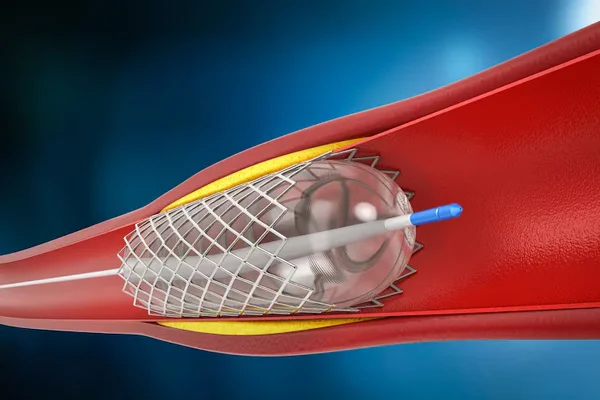
Angioplasty is a minimally invasive cardiac procedure in which a small balloon is inserted into the narrowed artery and inflated to open the blockage. In most cases, a stent is also placed to keep the artery open and maintain proper blood flow. Dr. Pritam Kitey is highly experienced in providing safe and advanced coronary angioplasty treatment in Okhla for patients with heart blockage and coronary artery disease.
Causes of Coronary Artery Disease
Blocked heart arteries usually develop due to the accumulation of cholesterol and fatty deposits inside the blood vessels. Several factors contribute to coronary artery disease, including high cholesterol, hypertension, diabetes, obesity, smoking, stress, lack of physical activity, and unhealthy eating habits. Family history of heart disease may also increase the risk of artery blockage.
Patients experiencing persistent chest discomfort or breathlessness should consult Dr. Pritam Kitey for early diagnosis and effective heart blockage treatment in Okhla before the condition worsens.
Symptoms That Require Cardiac Evaluation
Coronary artery disease may present with symptoms such as chest pain, pressure in the chest, breathlessness during physical activity, dizziness, irregular heartbeat, fatigue, and pain radiating to the shoulder, arm, neck, or jaw. In some cases, patients may not experience noticeable symptoms until a heart attack occurs.
Dr. Pritam Kitey recommends timely cardiac angiography in Okhla for patients who are at high risk of heart disease or experience recurring cardiac symptoms.
Treatment Procedure
During angiography and angioplasty, a thin catheter is inserted through the wrist or groin artery and guided toward the heart. Contrast dye is then injected to identify the exact location and severity of blockage. If necessary, angioplasty is performed by inflating a balloon inside the narrowed artery and placing a stent to restore normal blood flow.
The procedure is minimally invasive and usually requires a short hospital stay. Most patients recover quickly and can resume daily activities within a few days. Dr. Pritam Kitey uses advanced techniques for safe and successful angioplasty treatment in Okhla with faster recovery and minimal discomfort.
Benefits of Angiography & Angioplasty
Angioplasty offers several important benefits for patients with coronary artery disease. It helps restore blood flow to the heart, reduces chest pain and angina symptoms, lowers the risk of heart attack, improves heart function, and enhances overall quality of life. Since it is a minimally invasive procedure, patients experience less pain, shorter hospitalization, and faster recovery compared to traditional heart surgery.
Patients looking for reliable and advanced interventional cardiology treatment in Okhla trust Dr. Pritam Kitey for comprehensive cardiac care and long-term heart health management.
FAQs
1. Is angioplasty a major surgery?
No, angioplasty is a minimally invasive cardiac procedure performed using a catheter without opening the chest.
2. How long does angiography take?
Angiography usually takes around 20 to 40 minutes, depending on the patient’s condition.
3. Is angioplasty painful?
Most patients experience minimal discomfort as the procedure is performed under local anesthesia.
4. How soon can I recover after angioplasty?
Most patients can resume normal activities within a few days after the procedure.
5. Why is a stent placed during angioplasty?
A stent helps keep the artery open and maintains smooth blood flow to the heart.
6. Who should undergo angiography?
Patients with chest pain, abnormal ECG results, breathlessness, or suspected coronary artery disease may require angiography.