Pacemaker and ICD Implantation
Pacemaker and ICD Implantation
Pacemaker & ICD Implantation in Okhla
Introduction
Pacemaker and ICD implantation are advanced cardiac procedures used to treat irregular heart rhythms and serious electrical abnormalities of the heart. Patients suffering from slow heartbeat, dangerous arrhythmias, or heart failure often require specialized cardiac rhythm management to prevent complications and improve heart function. Dr. Pritam Kitey provides expert Pacemaker & ICD Implantation in Okhla using modern cardiac technology and personalized treatment plans for safe and effective results.
What is Pacemaker & ICD Implantation?
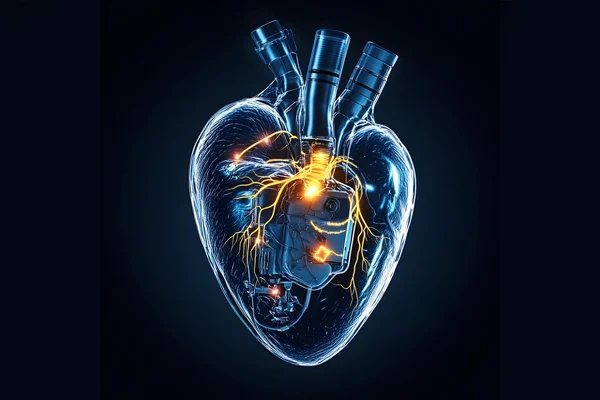
A pacemaker is a small medical device implanted under the skin to regulate slow or irregular heartbeats. It sends electrical signals to the heart to maintain a normal heart rhythm. An Implantable Cardioverter Defibrillator (ICD) is a specialized device used to detect and correct life-threatening heart rhythms by delivering controlled electrical shocks when necessary.
Dr. Pritam Kitey offers advanced pacemaker implantation in Okhla for patients experiencing rhythm disorders, fainting episodes, or heart failure-related complications.
Causes of Heart Rhythm Disorders
Heart rhythm problems may occur due to several medical conditions such as coronary artery disease, previous heart attack, heart failure, high blood pressure, cardiomyopathy, congenital heart disorders, or age-related electrical disturbances. Lifestyle factors like smoking, stress, obesity, and uncontrolled diabetes may also increase the risk of arrhythmias.
Patients experiencing palpitations, dizziness, or blackouts should seek immediate consultation for proper arrhythmia treatment in Okhla to avoid serious cardiac complications.
Symptoms That May Need Pacemaker or ICD
Patients with irregular heart rhythm may experience slow heartbeat, rapid heartbeat, dizziness, fainting, chest discomfort, fatigue, breathlessness, or episodes of sudden unconsciousness. In severe cases, dangerous arrhythmias may increase the risk of sudden cardiac arrest.
Dr. Pritam Kitey performs detailed cardiac evaluation and provides advanced ICD implantation in Okhla for patients requiring long-term rhythm control and heart protection.
Procedure of Pacemaker & ICD Implantation
The implantation procedure is usually performed under local anesthesia using minimally invasive techniques. A small incision is made near the chest area, and leads are guided through blood vessels into the heart chambers. The pacemaker or ICD device is then implanted beneath the skin and programmed according to the patient’s cardiac condition.
Most patients recover quickly after the procedure and are discharged within a short period. Dr. Pritam Kitey ensures safe and effective cardiac device implantation in Okhla with comprehensive post-procedure monitoring and care.
Benefits of Pacemaker & ICD Implantation
Pacemaker and ICD implantation help maintain a stable heart rhythm, reduce symptoms like dizziness and fainting, improve heart function, and lower the risk of sudden cardiac arrest. These devices also improve physical activity tolerance, enhance quality of life, and provide long-term cardiac rhythm management for patients with severe arrhythmias or heart failure.
Patients seeking advanced electrophysiology and pacemaker treatment in Okhla rely on Dr. Pritam Kitey for expert cardiac care and personalized treatment solutions.
FAQs
1. What is the difference between a pacemaker and an ICD?
A pacemaker controls slow heartbeats, while an ICD treats dangerous fast heart rhythms and prevents sudden cardiac arrest.
2. Is pacemaker implantation safe?
Yes, pacemaker implantation is considered a safe and commonly performed cardiac procedure.
3. How long does the implantation procedure take?
The procedure generally takes one to three hours depending on the patient’s condition.
4. Can I live a normal life after pacemaker implantation?
Most patients can return to normal daily activities after recovery and regular follow-up care.
5. How long does a pacemaker battery last?
Pacemaker batteries usually last between 7 to 15 years depending on device usage.
6. When is an ICD recommended?
An ICD is recommended for patients at high risk of life-threatening arrhythmias or sudden cardiac arrest.